

Most roses in a UK garden get their main prune in late winter, not in November. In autumn you only shorten tall, whippy stems by about a third against wind rock; the hard cut waits until mid-February in the south or March in colder and northern gardens, just as the buds begin to swell. Ramblers and once-flowering shrub roses are the exception: prune those in late summer, after they have flowered.
When to prune roses UK: the short answer
When to prune roses UK-wide depends on two things: the type of rose, and whether you are doing the light autumn tidy or the main winter cut. Bush roses (hybrid teas and floribundas), repeat-flowering shrub roses, patio and miniature roses, and most modern climbers are pruned in late winter, once growth is just resuming. That is usually mid-February in milder southern gardens and March further north, or in a frost pocket, so new shoots are less likely to be blackened by a late hard frost.
In October and November the job is housekeeping, not a hard prune. Shorten long stems that would catch the wind, clear and bin fallen leaves if black spot has been about, and leave the real structure cut until late winter. For a wider November checklist, including planting bare-root roses, see our guide to November garden jobs. Once-flowering ramblers and old shrub roses bloom on wood they made last year, so a winter prune would take off this summer’s flowers.
In this guide you will find:
- Why the timing matters
- How pruning changes by rose type
- Should I prune roses in November?
- When to prune climbing roses UK
- When to prune rambling roses UK
- When to prune hybrid tea and floribunda roses UK
- When to prune roses in pots UK
- When is it too late to prune roses UK?
- How to cut, and which tools to use
- Choosing the right prune for your rose
- Limits and common mistakes
- When to prune roses UK: a checklist
- BioGreen products for roses in pots
- FAQ: when to prune roses UK
When to prune roses UK: timing, types and technique
Three decisions shape the work. First, is this an autumn tidy or the main prune? Second, does your rose flower on new wood — most modern bush, shrub and climbing roses — or on last year’s wood, as most ramblers and once-flowering shrubs do? Third, is the plant in the ground or in a pot, where roots freeze faster and drainage matters more?
Why the timing matters
A rose left tall and top-heavy through autumn gales can rock in the wind. The crown loosens in the soil, roots tear, and water collects in the gap — a common reason for winter losses, especially on newly planted or shallow-rooted bushes. Shortening those long, whippy shoots by about a third in November reduces the sail area without taking off the framework you will shape later.
The main prune is timed for late winter because the plant is still dormant enough for you to see the structure clearly, but the worst hard frosts are usually passing and the buds are just beginning to swell. Cut too early in a severe freeze and you risk crushed, split wood and frost damage on the soft new shoots that pruning can wake. Cut the wrong type in winter — a rambler or a once-flowering shrub — and you remove the very stems that would have flowered.
Wind rock is the loosening of a plant’s roots when a tall, unpruned top catches the wind. On roses, a light autumn shortening is a safety trim, not a substitute for the late-winter prune. The Royal Horticultural Society advises pruning floribunda and hybrid tea roses in late winter, usually mid-February in the south and March in northern and colder areas, as growth is just resuming.

How pruning changes by rose type
The calendar is not the same for every rose. Use the type first, then the month, and treat the figures below as a starting point rather than a rigid height:
- Bush roses — hybrid teas and floribundas. Main prune in late winter (mid-February in the south, March in the north). Hybrid teas: cut strong stems to four to six buds, about 10–15 cm above the base, and weak stems to two to four buds. Floribundas are left a little taller, with strong stems at about 25–30 cm and weaker ones cut harder. Aim for an open, goblet shape. The drawback of a hard autumn cut is that you expose new wounds to months of weather and lose the height that still shelters the crown.
- Climbing roses. Routine prune in winter, after the flowers have faded, typically December to February. Keep a permanent framework of main stems, cut flowered sideshoots back by about two thirds, and tie in strong new stems. In autumn you can shorten or tie in long, whippy shoots so the wind cannot tear them from the support. A climber is not a rambler: if it flowers once in a big early-summer flush and then throws long, flexible new canes from the base, treat it as a rambler instead.
- Rambling roses. Routine prune in late summer, immediately after flowering (and after hips, if you want them). Take out about one in three of the oldest stems at the base and tie in the new replacement canes. The gain is a plant that flowers freely on last year’s wood; the risk of a winter hard prune is a summer with almost no bloom. Renovation of a tangled mass can wait until late autumn or winter, but that is a rescue job, not the yearly routine.
- Shrub roses, including many English roses. Repeat-flowering shrubs are pruned in late winter: reduce last season’s growth by about a third to a half, and sideshoots to two or three buds. Once-flowering shrub roses are pruned in late summer, after flowering, with light shaping and the oldest wood taken out. If the label is missing, watch whether the plant flowers once in June on old wood, or repeats through summer on new growth, before you cut hard.
- Patio, miniature and compact roses. Late winter, with a lighter cut: main stems back by about a third, plus dead, diseased and damaged wood. Miniatures often need only a tidy. The limit is scale — a compact plant can sit in a pot or a shallow raised bed, but it still follows the same season as other repeat-flowering roses.
- Standard (tree) roses. Late winter, pruned like the type grafted on top. Weeping standards are often ramblers, so those are pruned after flowering, not in February.
| Rose type | When to prune | How hard |
|---|---|---|
| Hybrid tea (large-flowered bush) | Mid-February in the south, March in the north | Strong stems to 4–6 buds (10–15 cm); weak stems to 2–4 buds |
| Floribunda (cluster-flowered bush) | Mid-February in the south, March in the north | Strong stems to about 25–30 cm; weaker stems harder |
| Climbing rose | December to February, after flowering | Flowered sideshoots back by about two thirds; new stems tied in |
| Rambling rose | Late summer, after flowering | About one in three of the oldest stems out at the base |
| Repeat-flowering shrub | Late winter | Last season’s growth back by about a third to a half |
| Once-flowering shrub | Late summer, after flowering | Light shaping and removal of old wood |
| Patio and miniature | Late winter | Main stems back by about a third, or a light tidy |
| Standard | As for the type grafted on top | Weeping standards often follow rambler timing |
Should I prune roses in November?
No. November is not the month for a hard prune on bush, shrub or patio roses in the UK. Shorten tall, whippy stems by about a third to reduce wind rock, clear fallen leaves, and save the main cut for late winter. Climbing roses can have long shoots tied in or shortened now, but their routine prune still sits in winter, from December to February.
The same rule applies in October. A light tidy is useful once the plant is going over and autumn gales start; a hard cut in autumn leaves large wounds open through the wettest months and can encourage soft new growth that frost then damages. Fallen leaves, especially if they were marked with black spot, should be cleared and binned, not composted with your general heap if the disease has been bad.
When to prune climbing roses UK
Prune climbing roses in the UK in winter, after the flowers have faded, usually between December and February. In autumn, only shorten or tie in long, whippy shoots so the wind cannot tear them from their support.
Keep the main stems that form the framework, and work along the laterals that carried this year’s flowers. Cutting those sideshoots back by about two thirds leaves a stub with a couple of buds, which will produce the next flush. New, strong stems are more valuable tied in than cut out, unless they are crossing, weak or badly placed. The Royal Horticultural Society places this routine winter window after the flowers have faded, between December and February.
When to prune rambling roses UK
Prune rambling roses in late summer, straight after they have flowered. They bloom on wood made the previous year, so a winter cut would take off this year’s flowers. Remove about one in three of the oldest stems at the base and tie in the new canes.
If you want hips, wait until they have formed and coloured before you cut, then take out the oldest wood. A rambler that has not been touched for years can be renovated in late autumn or winter, when it is easier to see the framework, but expect a lighter flowering the following summer. If you are unsure whether you have a climber or a rambler, look at the habit: ramblers usually flower once, in a single early-summer flush, and send up long, flexible new canes from the base.
When to prune hybrid tea and floribunda roses UK
Prune hybrid tea and floribunda (bush) roses in late winter: mid-February in milder southern gardens, March in the north or in cold, exposed sites, once the buds begin to swell. Hybrid teas are cut harder — strong stems to four to six buds, about 10–15 cm above the base — while floribundas are left a little taller, with strong stems at about 25–30 cm.
Start with dead, diseased and damaged wood, then stand back and keep an open centre so light and air can move through the bush. Weak, spindly stems are cut harder than strong ones, because a hard cut on a vigorous shoot encourages strong replacement growth. A late spell of hard frost after a mild February is a reason to wait a week or two in a cold garden, not a reason to skip the job.
When to prune roses in pots UK
Use the same calendar as the type of rose, not a different month just because it is in a pot. A patio rose still gets its main prune in late winter; a rambler in a large container is still pruned after flowering. What changes is winter care: pot compost freezes faster than open ground, so raise the pot on feet, keep the drainage hole clear, and group or insulate the container.
A raised bed with a drainage opening, such as the FREISING XL raised garden bed (80 × 100 × 30 cm) or the smaller FREISING L (80 × 60 × 30 cm), keeps excess water moving away from the roots — check availability on the product page. Both are galvanised, powder-coated steel and sit on legs. The 30 cm depth suits compact patio or miniature roses better than a large bush rose, which prefers a deeper root run. For covers, grouping pots and greenhouse protection, see how to protect plants from frost.

When is it too late to prune roses UK?
For bush, shrub and patio roses, the ideal window closes once strong spring growth is well under way, usually by April. A late prune in early April is still better than skipping the job: cut back to a healthy bud, and pinch off any frost-damaged shoot tips later. It is not too late in March in a cold or northern garden, where March is often the correct month.
May is late for a main prune, because you would be cutting off a lot of the soft growth the plant has already made. For ramblers, “too late” usually means waiting until winter: if you missed the late-summer prune, leave the flowering wood alone and tidy after the next flush rather than taking it off in February.
How to cut, and which tools to use
Cut about 5 mm above an outward-facing bud, with a gentle slope away from the bud so rain runs off. Start with the three Ds — dead, diseased and damaged wood — cutting back to healthy, pale pith. Aim for an open shape that lets light and air in. Use clean, sharp bypass secateurs on living stems, and a pruning saw or loppers on thick old wood. Wipe the blades if you have cut out diseased material, and do not prune when the stems are frozen, because the wood crushes and splits.

Wait for a mild, dry day. Frozen or sopping stems bruise, and wet cuts sit damp and invite disease. After the late-winter prune, a rose fertiliser and a mulch around the base — not piled against the stems — help the plant go away cleanly.
Choosing the right prune for your rose
If the rose repeats through summer, prune in late winter. If it flowers once, in a single early-summer flush, on last year’s wood, prune after flowering. If the stems are trained on a wall or arch and form a permanent framework, treat it as a climber in winter. If it throws long, flexible new canes from the base after a single flush, treat it as a rambler. When the label is missing, watch one season before you cut hard.
A newly planted bare-root rose, set between November and March while it is dormant, still gets its first proper prune in late winter with the rest of the bed. Do not give it a hard autumn cut as well. In a pot, choose the prune for the type, then think about drainage and frost around the container rather than changing the month.
Limits and common mistakes
Most problems come from cutting at the wrong moment, or from treating every rose as a bush:
- Hard-pruning bush, shrub or patio roses in October or November.
- Pruning ramblers and once-flowering shrubs in winter, and losing the next flowering season.
- Cutting in hard frost, when stems crush and split.
- Leaving a ragged stub, or cutting so close that the bud is damaged.
- Leaving fallen black-spot leaves under the plant.
- Skipping the autumn shortening on a tall, newly planted bush, then losing it to wind rock.
- Treating a climber like a bush and cutting the main framework to the ground.
- Assuming a pot needs a different pruning month, rather than extra winter protection.
Pruning will not cure a rose in deep shade, in waterlogged soil, or on a site with severe rose replant disease. Timing guides are a starting point: look at the plant and the weather in your own garden, and wait a week if a hard freeze is still sitting over a northern or upland plot.
When to prune roses UK: a checklist
Work through this list in autumn, then again in late winter:
- Identify the type: bush (hybrid tea or floribunda), climber, rambler, shrub, patio or standard.
- In October or November, only shorten tall, whippy stems by about a third against wind rock, and tie in loose climbing shoots.
- Clear and bin fallen leaves, especially if black spot has been present.
- Do not hard-prune bush, shrub or patio roses in autumn, and do not cut when stems are frozen.
- Prune ramblers and once-flowering shrubs in late summer, after flowering.
- Give climbers their routine prune between December and February, after the flowers have faded.
- Give bush, repeat-flowering shrub, patio and miniature roses their main prune in mid-February in the south, or March in the north, as buds begin to swell.
- Cut 5 mm above an outward-facing bud, sloping away from it, after removing dead, diseased and damaged wood.
- Use clean, sharp bypass secateurs; disinfect the blades after cutting out diseased material.
- For roses in pots, keep the same pruning month, raise the pot, keep drainage clear, and insulate or group the container in hard weather.
- If you miss the late-winter window, a careful early-April prune is still better than none; pinch frost-damaged tips later.
BioGreen products for roses in pots
These BioGreen products help with drainage and frost protection for compact roses in pots, raised beds or a small greenhouse. They will not replace the correct pruning month. Please check availability on each product page.
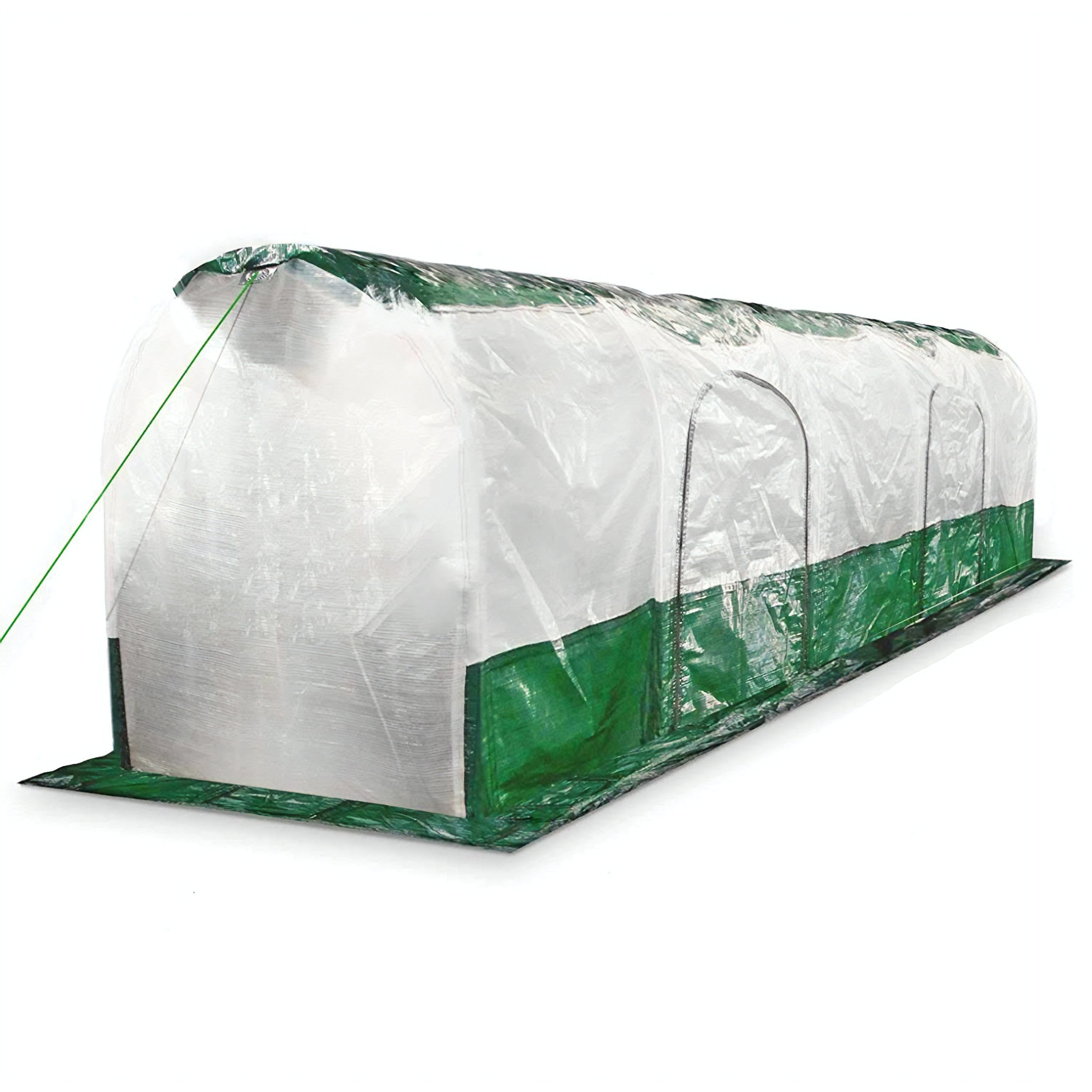
On a patio, a compact rose that has already been pruned can sit under a Grow Tunnel Super Dome — about 3.0 × 0.7 × 0.8 m, with two side openings and a 90 g/m² film — provided the plant is short enough to fit under the 0.8 m height. In a small greenhouse or cold frame, the terracotta Frost Guard Firefly is used with frost-protection candles (not included) and should stand with a safe gap around the plants. Check availability before you plan around either product.



FAQ: when to prune roses UK
Short answers to frequent questions about when to prune roses in the UK:
Should I prune roses now in the UK?
It depends on the month and the type. In November, only shorten tall stems against wind rock; save the hard prune on bush, shrub and patio roses for late winter. Climbers can be pruned from December to February. Ramblers should already have been pruned after flowering; do not hard-prune them now in winter.
Is April too late to prune roses UK?
Early April is late, but a careful prune is still better than none on bush, shrub and patio roses. Cut to a healthy bud and pinch off any frost-damaged tips afterwards. By May, you would be removing a lot of the soft growth the plant has already made, so keep cuts light then. In a cold or northern garden, March is often still the right month, not a late one.
What happens if you don’t prune roses?
An unpruned bush rose still flowers, but the plant becomes taller, woodier and more congested, with blooms held on weaker, tangled stems and a higher risk of wind rock and disease. Ramblers and climbers can turn into a thicket that is harder to tie in and to keep healthy. Skipping one year is not a disaster; leaving a bush unpruned for several seasons makes the next cut more of a renovation job.
Can you prune roses twice a year?
Yes, but the two cuts are different jobs. The autumn tidy is a light shortening against wind rock; the late-winter prune (or the post-flowering prune on ramblers) is the main structural cut. Deadheading repeat-flowering roses in summer is not a second prune. Do not hard-prune the same bush in both autumn and late winter.
Once you know the type, when to prune roses UK-wide is straightforward: a light November tidy, then the main cut in late winter — or after flowering, if you have a rambler. If you grow compact roses in pots or on a patio, a free-draining raised bed makes the winter around that prune a little safer.